01The near horizon / 2026—2076
The future is already arriving unevenly.
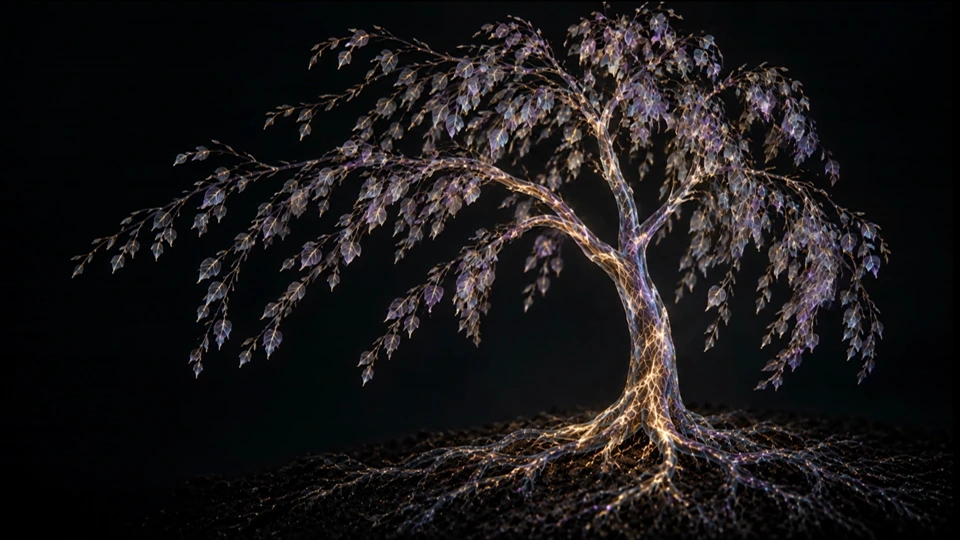
A fifty-year view, held lightly: not a catalogue of inventions, but the plausible backdrop against which the question becomes urgent.
We are entering a period in which more of what once arrived as fate may arrive as design. The change will not come evenly. It will accumulate as thresholds—crossed at different speeds, under different names, and often before we agree that anything fundamental has changed.
Minds may think more intimately with machines. Bodies may become more revisable. Knowledge may be made at scales no single knower can follow. Cultures and subcultures may branch faster than common worlds can form. Each shift loosens something once treated as fixed: where thought ends, what a body is given, who authors knowledge and which world a self belongs to.
The point is not to predict the surface of 2076. It is to ask what must remain capable of mattering when the vessels of identity change. Who chooses? Whose experience counts? What do we carry forward so that life can still examine its purposes—and answer when the world corrects it?
01Possible futures
Know
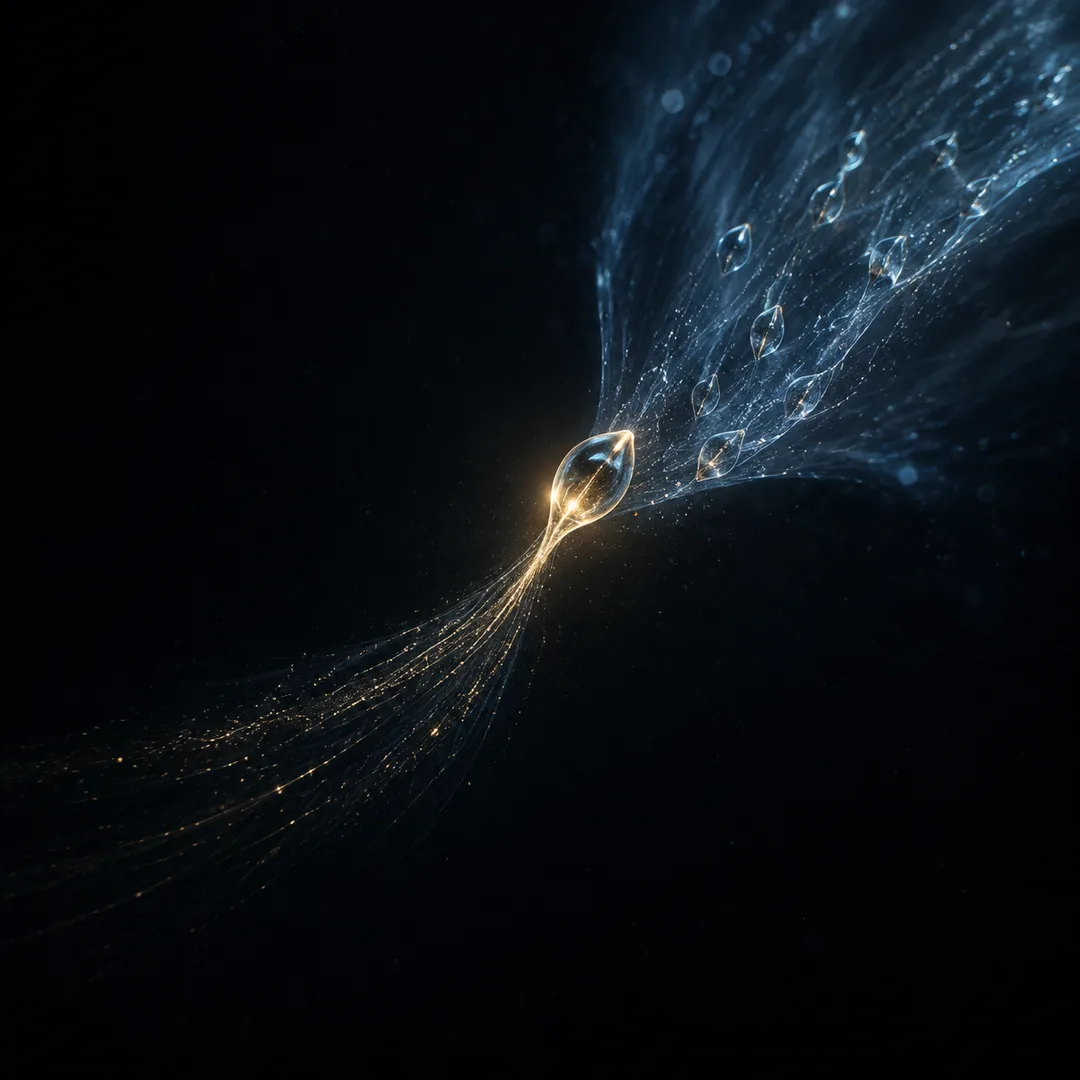
See further without mistaking the map for the world.
Intelligence can open more of reality to perception. But a finer model is still a selection: it reveals some differences and hides others. Better knowledge includes knowing where the map thins, what it leaves out and whose world it cannot yet describe.
A lens is an opening, not the whole world.
02Possible futures
Choose
Let power enlarge agency, not replace it.
A system may predict our needs so well that its recommendations begin to arrive before reflection. Tools should widen the range of purposes we can pursue while leaving us able to inspect, refuse and redirect the purposes built into them.
A current need not determine a course.
03Possible futures
Widen
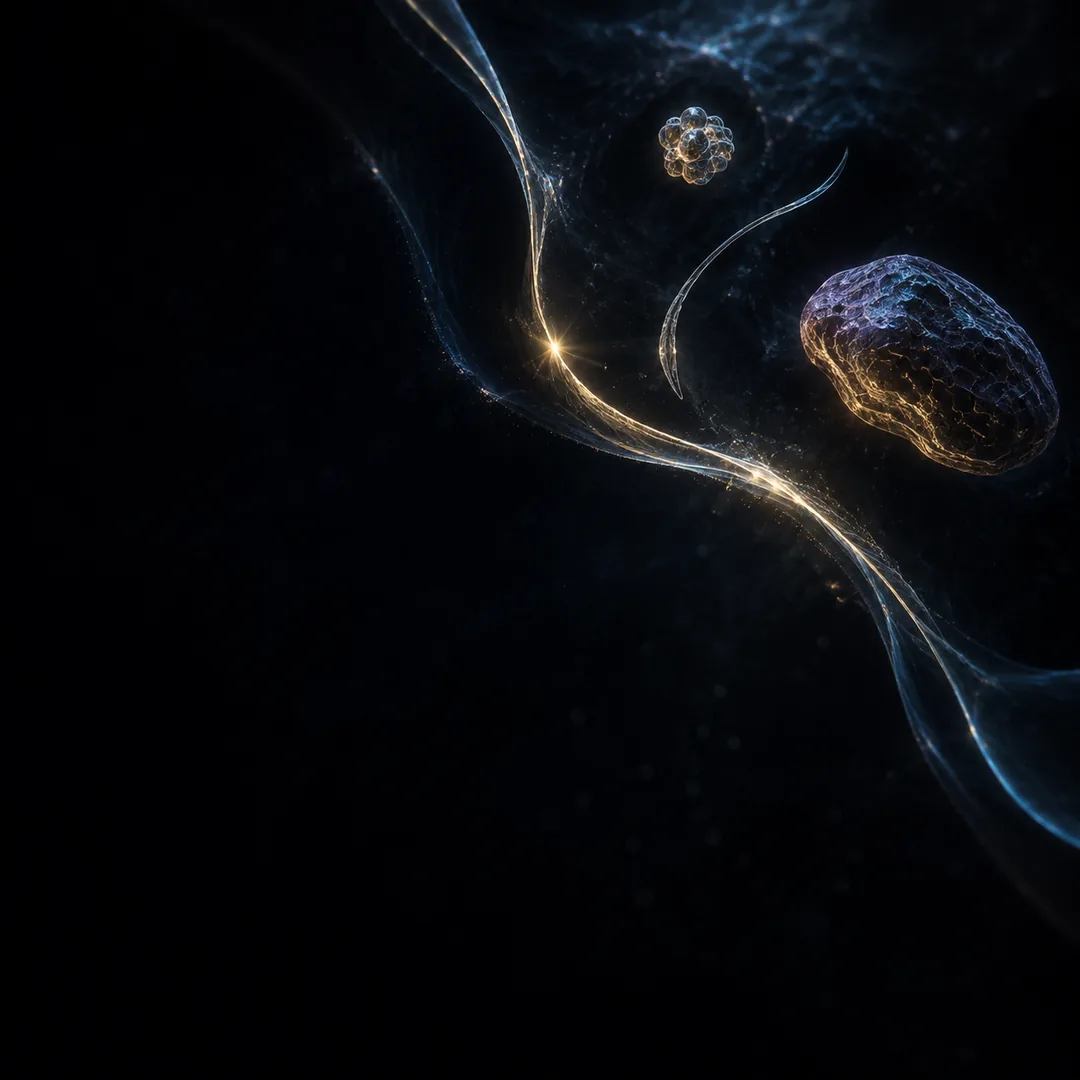
Bring more lives, timescales and forms of value into view.
Moral progress begins when lives once compressed out of the picture become impossible to ignore. The circle should widen without flattening difference: more ways of feeling, more distant consequences and more futures allowed to matter.
The boundary moves. Difference remains.
04Possible futures
Continue
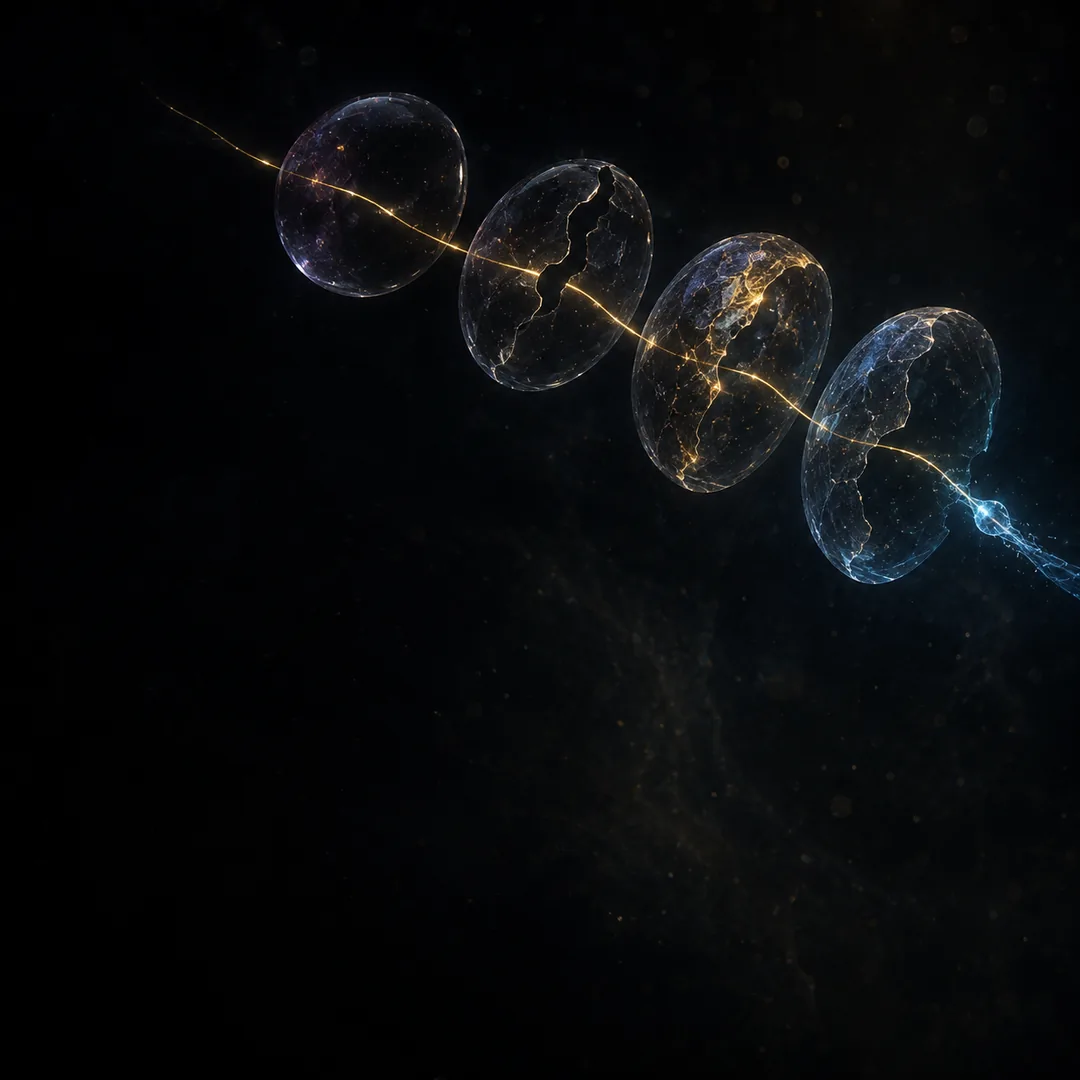
Carry learning forward while leaving error exposed.
What survives should not become untouchable. A living inheritance keeps hard-won knowledge, remembers the cost of failure and remains open to evidence, disagreement and the experience of lives still to come.
The thread continues. The vessels change.